Aloe vera is one of the most nutrient-packed and mineral-enriched plants you can buy or opt to grow yourself.
Used most traditionally as a gel to relieve sunburns and as a cleansing juice for weight loss fanatics, the soothing and healing properties behind the spiky green have been renowned for years. However, it’s aloe vera’s plentiful skin rejuvenating properties that are starting to send shockwaves through the cosmetic and beauty words.
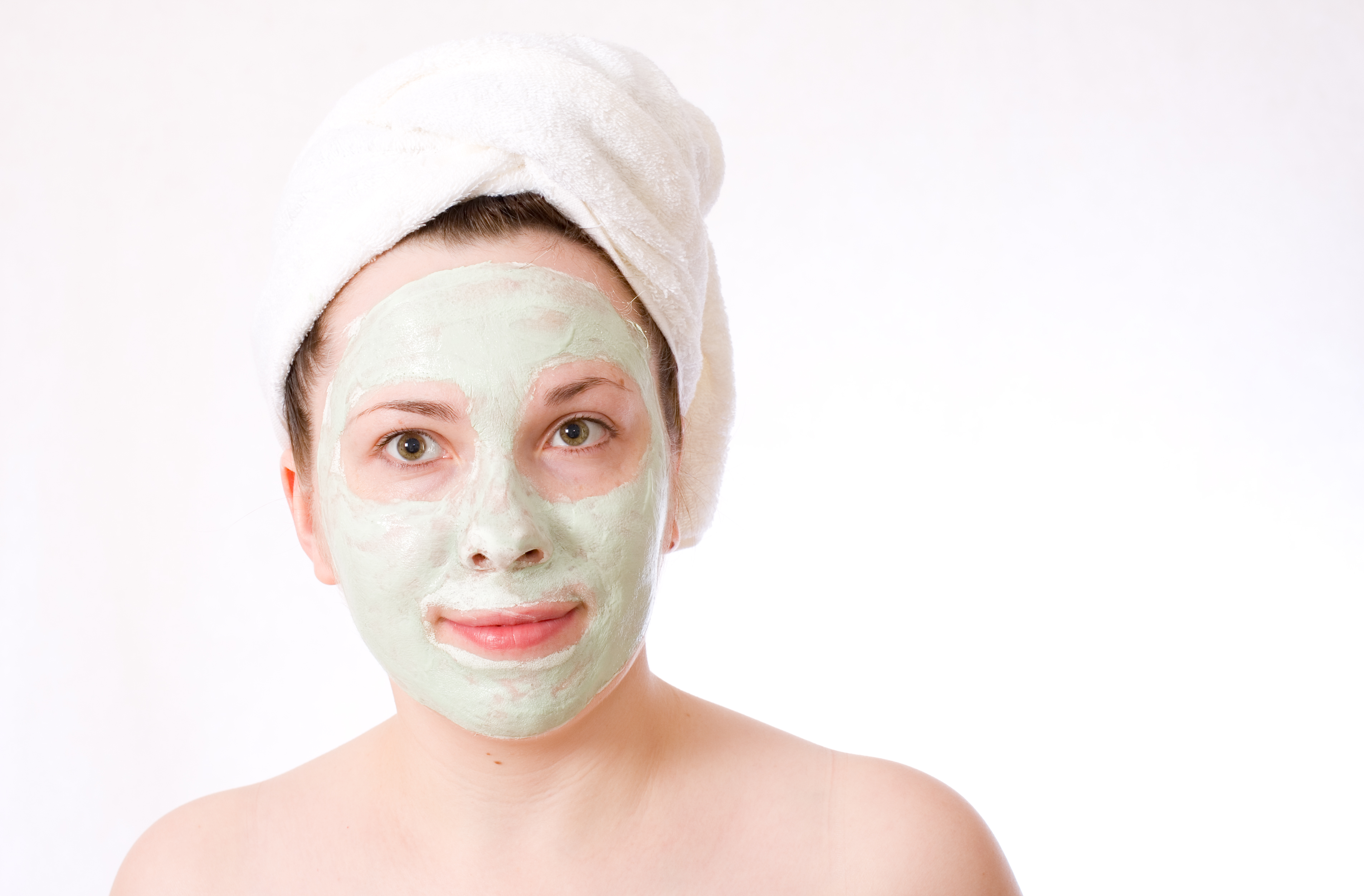
Learn how to turn your complexion from lackluster to luminous with an aloe vera face mask. 
Why Make Your Own Aloe Vera Face Mask?
Aloe vera face masks are an easy – and incredibly cheap – way to rejuvenate a lackluster, dull complexion. Stuffed full of necessary skin-building minerals like vitamins A, C, F, B, B12 and niacin, the potent plant gel provides several anit-inflammatory and smoothing benefits for your tender skin.
And what’s more, aloe vera is chocked-full of moisturizing properties too, making the plant a serious multi-tasker when it comes to tackling problematic aging, acne and dryness issues.
Here are just a few of the ways you can concoct the perfect aloe vera gel face mask.
Aloe Vera Face Mask #1:
Take 4 tablespoons of aloe vera juice or gel and combine with 2 tablespoons plain yogurt and 6 tablespoons of cucumber juice. Mix well and apply to a clean face. Leave on for roughly 20 minutes. Rinse with warm water first, then splash with cold to seal the moisture beneath your pores.
Aloe Vera Face Mask #2:
Take 3 tablespoons of aloe vera juice, 1 tablespoon of aloe vera gel, 2 drops of lavender essential oil and blend together in a blender or with a fork.
Spread evenly over a clean face. Leave on for five to ten minutes, then rinse with warm water and finish with a splash of cold to seal moisture.
Aloe Vera Face Mask #3:
Combine 1 tablespoon of powdered seaweed, ½ tablespoon of aloe vera gel, ½ tablespoon of raw honey, 1 capsule of vitamin E, and 2 drops of lavender or rosemary essential oil in a bowl and mix well. Be sure to squeeze juices from vitamin E capsule before blending. Apply the mixture to face, throat and neck. Leave on for roughly 30 minutes. Rinse using warm water, then do a quick splash of cold to seal the moisture and nutrients.

 When it comes to facing the classic symptoms of aging, struggling with hair loss may be the most emotionally challenging.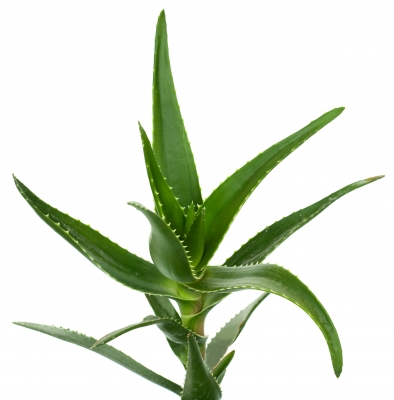
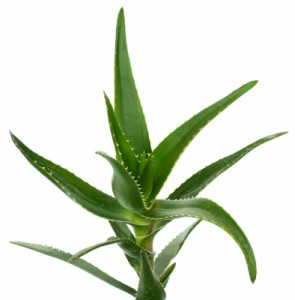 While most people are well aware of the Aloe Vera gel benefits for skin problems, there are several other uses that the majority of people may not know about. For example, a study conducted in 1979 showed that Aloe Vera gel was able to regenerate hair follicles. In addition, the gel was also shown to regrow hair.

 So what is Aloe Vera juice good for? Well, it depends on who you ask. Natural health experts believe that juice is good for weight loss, digestion, acne issues, skin issues, improved immune function and an overall higher quality of life.
 Does Aloe Vera help acne? The short and simple answer is yes, it does. By no means is it an end all, be all cure for acne, but it does help immensely with problems with acne. According to various studies, the symptoms of acne can be cleared up in as little as a week simply by using Aloe Vera. It can also fight future acne outbreaks. Much like with burns and other abrasions, Aloe Vera heals broken skin, making it the ultimate natural and safe product to use for combating acne issues.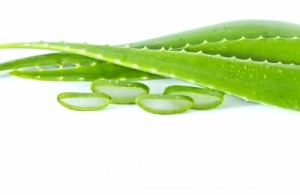

 Aloe Vera juice has been shown to help those who are suffering with irritable bowel syndrome. Drinking the juice can help repair tissue that has been damaged by IBS. It can also stimulate the stomach, kidneys, gallbladder and liver, allowing all the digestive glands to work properly once again.